


Table of Contents
- Japandi Lighting Principles: The Foundation for Linen Lamps
- How to Choose Lamps for Japandi Style: Bases, Shades, and Scale
- Warm Ambient Lighting for Japandi: Temperature, Lumens, and Dimmers
- Layering Linen Lamps in Small Spaces
- Maintaining Linen Shades: Cleaning and Longevity Tips
- Sustainability and Material Sourcing in Japandi Lighting
- Frequently Asked Questions
Last Updated: September 16, 2026
Japandi Lighting Principles: The Foundation for Linen Lamps
Japandi lighting is the practice of combining Japanese minimalism with Scandinavian functionality to create soft, layered, ambient light that feels calm rather than bright. In practice, this means low-profile fixtures, natural materials, and a warm glow that changes through the day. This guide from Nuits breaks down exactly how to style linen lamps in Japandi interiors, from shade texture to bulb temperature.

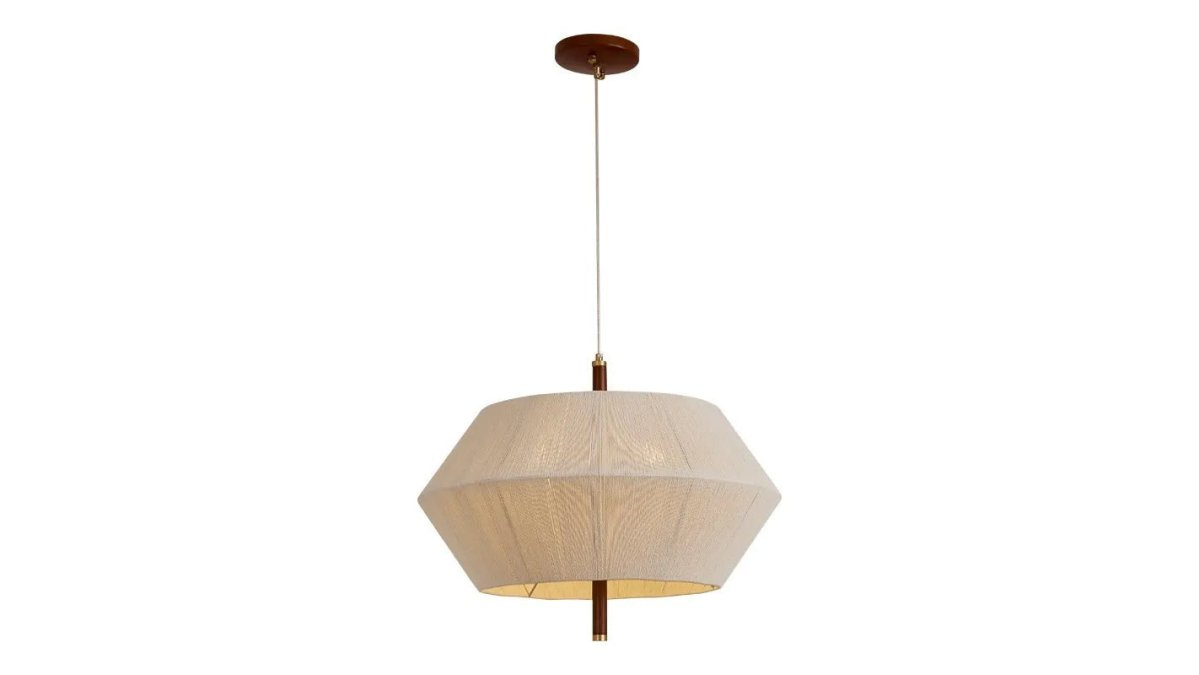
Japanese minimalism meets Scandinavian functionality
Japanese design strips a room back to what it needs. Scandinavian design keeps that restraint but adds warmth and everyday usability. A linen lamp sits perfectly between the two: the shade is simple and unadorned, yet it exists to be used, switched on, dimmed, and lived with.
Wabi-sabi and the beauty of imperfection
Wabi-sabi is the Japanese worldview that finds beauty in the imperfect, impermanent, and incomplete. A linen shade with a slightly uneven weave, a hand-thrown unglazed ceramic base, or a visible wood grain all fit this idea.
How to Choose Lamps for Japandi Style: Bases, Shades, and Scale
Choosing lamps for Japandi style comes down to four decisions: base material, shade shape, scale relative to the room, and how the lamp will be switched on. Get these right and the lamp reads as intentional rather than generic. Natural materials and a neutral palette do most of the work, but the details decide whether the result feels calm or merely beige.
Ceramic vs. wood: picking the right lamp base
Unglazed ceramic brings an earthy, tactile quality that pairs with stoneware and dried branches. Wood, especially oak, bamboo, or rattan, adds organic warmth and echoes Scandinavian furniture. Both work; the choice depends on the rest of the room.
- Ceramic bases: best in bedrooms and reading corners where you want calm and weight. A matte, unglazed finish hides fingerprints better than a glossy glaze and ages into a soft patina.
- Wood bases: best in living rooms with oak or rattan furniture already present. Solid oak and acacia hold their shape; bamboo and rattan stay visually light and suit smaller rooms.
- Mixed materials: a wood base with a linen shade is the safest Japandi combination, and a ceramic base with a linen shade is the second.
Linen shade shapes and the power of texture
Linen is the defining material here. It diffuses light softly, so the bulb never glares, and its woven surface adds texture even when the lamp is off. Look for drum, cone, and petal shapes that stay low-profile and sculptural.
- Drum shades throw light evenly up and down, which suits a dining table or a hallway console.
- Cone shades push light downward and are the better choice for a reading corner, because they keep the glow off the wall behind you.
- Petal and tapered shades soften the edges of the light and work well as accent lamps on a sideboard or windowsill.
Getting the scale right
Scale is where most Japandi rooms go wrong, and it is easier to judge with numbers than with feeling. As a working rule:
- A table lamp shade should be roughly one-third the height of the surface it sits on, measured from the tabletop to the top of the shade.
- A floor lamp should reach somewhere between the seat height of your sofa and the top of its backrest, so the shade sits in the sightline rather than above or below it.
- A pendant over a dining table should be no wider than about half the table's width, or it will dominate the surface.
Match the lamp to how you actually use the room
Before you buy, decide which of three jobs the lamp is doing: general glow, task light, or accent. A single lamp rarely does all three well. A drum-shaded floor lamp with a dimmable bulb covers general glow; a cone-shaded table lamp with a brighter bulb covers reading; a small petal-shaded lamp on a shelf covers accent. Buying for one job at a time keeps a Japandi room from filling up with lamps that all do the same thing.

Warm Ambient Lighting for Japandi: Temperature, Lumens, and Dimmers
Warm ambient lighting for Japandi means bulbs between 2200K and 2700K and roughly 400 to 800 lumens per fixture for a soft, cozy glow. Anything above 3000K turns cool and clinical, which fights the whole aesthetic. This is the technical detail most styling guides skip.
Here is how the numbers translate in practice:
| Setting | Colour temperature | Lumens | Use |
|---|---|---|---|
| Relaxed evening | 2200K | 400-600 | Living room, bedroom |
| General ambient | 2700K | 600-800 | Dining, hallway |
| Task reading | 2700K | 800-1000 | Reading corner |
Layering Linen Lamps in Small Spaces
Layering is how small rooms avoid the flat, single-bulb look, but in a compact Japandi interior the usual three-layer advice needs adjusting. The goal is not more lamps; it is more light sources at different heights, each doing a distinct job, with none of them competing for the same wall or surface.
The three layers, sized for a small room
Use three light levels and keep each one low in intensity so the room never feels overlit:
- General glow: a ceiling or pendant fixture, or a single floor lamp aimed at the ceiling, at roughly 400-600 lumens.
- Mid-level fill: a floor lamp beside the sofa or a table lamp on a sideboard, at roughly 400-600 lumens.
- Accent: a small table or wall lamp at roughly 200-400 lumens, used to pick out a plant, a stack of books, or a ceramic vase.
Placement rules that stop a small room feeling cluttered
- Put the three layers at three different heights. A pendant above a table, a floor lamp beside a sofa, and a wall lamp at eye level create depth without adding furniture.
- Keep every fixture low-profile. Bamboo and canvas floor lamps stay visually light because you can see through or past them.
- Never place two lamps of the same height and shape in one sightline. Two matching table lamps on one sideboard read as a pair; two on opposite sides of a small room read as clutter.
- Use one lamp per zone. A small living room usually needs a floor lamp, one table lamp, and one accent, not four.
- Angle accent lamps toward a wall rather than into the room. The reflected light fills the space without adding a visible bright spot.
Wiring and switching in tight spaces
The practical constraint in small rooms is usually sockets, not space. A few habits keep layering workable:

- Run floor lamps and table lamps on separate switched sockets if you can, so you can turn on the fill layer without the accent layer.
- Use a dimmable bulb in every layer, and fit one dimmer per lamp rather than one dimmer for the room. Each person can then set their own level.
- Choose a warm bulb across all three layers, 2200K to 2700K, so the layers blend instead of reading as three different rooms.
- If sockets are scarce, a single floor lamp with a dimmable bulb plus one accent lamp on a shelf is enough for a small Japandi room. Two well-placed sources beat four poorly placed ones.
Maintaining Linen Shades: Cleaning and Longevity Tips
Linen shades collect dust and can discolour if handled carelessly, so a light routine keeps them looking new for years. The fabric is durable but not invincible.
- Dust weekly with a soft brush or lint roller
- Vacuum monthly on the lowest setting with a brush attachment
- Spot-clean stains with a barely damp cloth and mild soap, then air dry
- Keep lamps out of direct sunlight to slow yellowing
- Rotate shades occasionally so fading stays even
Sustainability and Material Sourcing in Japandi Lighting
Sustainability in Japandi lighting means choosing natural, responsibly sourced materials that age well instead of being replaced. Look for linen, bamboo, oak, and rattan, and check whether the maker explains where those materials come from.
Frequently Asked Questions
What are common Japandi decor mistakes to avoid when choosing lighting?
The biggest mistake is choosing a light that is too bright or too cool in tone. Japandi relies on softly diffused warmth, so avoid cool white bulbs above 3000K and bare bulbs without a linen or paper shade. Another common error is mixing too many lamp styles; stick to one material family like linen, ceramic, or wood. Finally, don't overlook scale. A tiny lamp on a large sideboard looks lost, while an oversized pendant in a small room feels heavy.
How do linen lamps contribute to the Japandi philosophy of wabi-sabi?
Linen lamps fit wabi-sabi because the fabric shows natural slubs and slight variations that make each shade unique. The texture softens light into a warm, diffused glow that feels calm rather than sharp. In Japandi interiors, this aligns with the idea of finding beauty in imperfection and simplicity. A linen shade also ages gracefully, developing a gentle patina over time, which is central to the wabi-sabi approach.
How do you layer lighting in a Japandi-inspired living space?
Start with a low-level ambient source like a floor lamp with a linen or bamboo shade, then add a mid-level table lamp on a sideboard or windowsill. Finish with a high-level pendant or wall light for focused tasks. Use dimmable bulbs so you can shift the mood from bright daytime to soft evening. In small spaces, two or three layered sources at different heights create depth without clutter. Keep all shades in a similar neutral palette for cohesion.
How to maintain linen lampshades for longevity?
Dust linen shades weekly with a soft brush attachment or a dry microfibre cloth. For deeper cleaning, use a vacuum on low suction, never water, as moisture can stain or warp the fabric. If a spot appears, blot gently with a barely damp white cloth and let it air dry away from direct sunlight. Rotate the shade occasionally so fading is even. With this routine, a quality linen shade can stay looking crisp for years.

